
Introduction
Credit card debt has a way of feeling like quicksand. The harder you struggle, the deeper you seem to sink. You make your monthly payment, but between the sky-high interest rates and the minimum payment trap, your balance barely budges. Month after month, you’re pouring money into your cards with little to show for it. Sound familiar?
Here’s a sobering reality: with average credit card interest rates hovering above 20%, a huge chunk of every payment you make goes straight to interest rather than reducing what you actually owe. If you only make minimum payments, it could take you decades—and cost you thousands of dollars in extra interest—to pay off a balance that seems manageable on paper.
But here’s the empowering truth: you can absolutely break free from credit card debt faster than you think. Thousands of people escape the debt trap every single day, not because they suddenly earned a fortune, but because they used proven, strategic methods to attack their debt intelligently.https://finance4you.online/debt-consolidation-vs-debt-settlement/
In this guide, I’ll share seven battle-tested strategies to pay off your credit card debt fast. From the popular debt snowball and avalanche methods to balance transfers, negotiation tactics, and income-boosting moves, you’ll have a complete toolkit to eliminate your debt and finally achieve the financial freedom you deserve. Let’s know about How to Pay Off Credit Card Debt Fast.
Why Credit Card Debt Is So Hard to Escape
Before we dive into the solutions, it’s worth understanding why credit card debt traps so many people. Knowing your enemy makes it far easier to defeat.
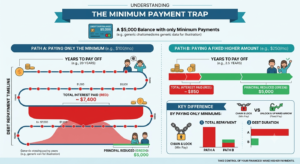
The Minimum Payment Trap
Credit card companies set minimum payments deceptively low—often just 2-3% of your balance. While this makes your monthly obligation feel manageable, it’s actually designed to keep you in debt as long as possible. When you pay only the minimum, the vast majority of your payment goes toward interest, barely touching the principal balance you actually owe.
The Compounding Interest Problem
Credit card interest compounds, meaning you pay interest on your interest. Every day your balance sits unpaid, interest accrues and gets added to what you owe. This creates a vicious cycle where your debt grows faster than you can pay it down if you’re not being strategic.
The Emotional Weight
Beyond the numbers, credit card debt carries a heavy emotional toll. The stress, anxiety, and feeling of being trapped can be overwhelming. This mental burden often leads to avoidance—not opening statements, not checking balances—which only makes the problem worse.
The good news? Every strategy in this guide is specifically designed to break these traps and get you to debt freedom faster.
Before You Start: Lay the Groundwork
Jumping straight into debt payoff without preparation is like starting a road trip without a map. These essential first steps set you up for success.
Know Exactly What You Owe
You can’t defeat an enemy you can’t see. Make a complete list of every credit card you have, including the balance, interest rate (APR), and minimum payment for each. Seeing all your debts laid out in one place—while intimidating—gives you the clarity you need to build an effective payoff plan.
Create a Realistic Budget
Paying off debt fast requires finding extra money to throw at your balances. A solid budget reveals exactly how much you can afford to put toward debt each month. If you haven’t set up a budget yet, start with our beginner-friendly guide on the 50/30/20 budget rule or the more detailed zero-based budgeting method for maximum control.
Track Your Spending to Find Extra Cash
Most people are shocked to discover how much money leaks out of their budget on non-essentials. By tracking your spending, you can identify areas to cut and redirect that money toward your debt. Learn exactly how in our guide on how to track your expenses effectively.
Build a Small Emergency Buffer
This may seem counterintuitive, but having a small emergency fund of around $1,000 prevents you from reaching for your credit cards when unexpected expenses pop up. Without this buffer, one car repair or medical bill could undo all your progress. Learn how to build one quickly in our guide on building an emergency fund from scratch.
Strategy 1: The Debt Snowball Method
The debt snowball method is one of the most popular debt payoff strategies—and for good reason. It’s powered by psychology and momentum, making it incredibly effective for staying motivated.
How the Debt Snowball Works
With the debt snowball, you list your debts from smallest balance to largest, ignoring interest rates entirely. You make minimum payments on all your debts, then throw every extra dollar at the smallest balance. Once that smallest debt is paid off, you roll its payment into attacking the next smallest debt—and so on.
As each debt disappears, your available payment “snowballs” into a larger and larger amount, gaining momentum like a snowball rolling downhill.
Why the Debt Snowball Works So Well
The genius of this method is psychological. By eliminating your smallest debts first, you get quick wins that keep you motivated. Each paid-off card provides a burst of accomplishment and confidence, making you more likely to stick with your plan. For many people, this emotional momentum is more powerful than saving a bit of money on interest.
Who Should Use the Debt Snowball
This method is perfect for people who are motivated by visible progress and need encouragement to stay on track. If you’ve struggled to stick with debt payoff in the past, the quick wins of the snowball method might be exactly what you need.
Strategy 2: The Debt Avalanche Method
The debt avalanche method is the mathematically optimal approach to paying off debt. If saving the most money is your priority, this is your strategy.
How the Debt Avalanche Works
With the debt avalanche, you list your debts from highest interest rate to lowest, regardless of the balance. You make minimum payments on all debts, then direct every extra dollar toward the debt with the highest interest rate. Once that’s paid off, you move to the next highest rate, and so on.
Why the Debt Avalanche Saves the Most Money
Because you’re attacking your highest-interest debts first, you minimize the total interest you pay over time. Mathematically, this method gets you out of debt for the least amount of money and often the fastest, since less of your payment is being eaten by interest.
Snowball vs Avalanche: Which Should You Choose?
Here’s the honest truth: the best method is the one you’ll actually stick with. The debt avalanche saves you more money on paper, but the debt snowball keeps you more motivated in practice. If the numbers motivate you, choose avalanche. If you need emotional wins to stay committed, choose snowball. Either way, you’re making tremendous progress—so pick the one that fits your personality.
https://finance4you.online/best-personal-loan-rates/
Strategy 3: Balance Transfer Credit Cards
A balance transfer can be a powerful tool to accelerate your debt payoff by temporarily eliminating interest.
How Balance Transfers Work
Many credit cards offer promotional 0% APR periods (typically 12-21 months) on balances transferred from other cards. By moving your high-interest debt to one of these cards, you get a window where 100% of your payment goes toward the principal instead of interest. This can dramatically speed up your payoff.
The Fine Print to Watch
Balance transfers usually come with a transfer fee of 3-5% of the amount transferred. You’ll also need good credit to qualify for the best offers. Most importantly, you must pay off the balance before the promotional period ends—otherwise, the interest rate jumps to the regular (often high) APR on any remaining balance.
Making Balance Transfers Work for You
To maximize a balance transfer, calculate how much you need to pay monthly to clear the balance before the 0% period expires, and commit to that amount. Avoid making new purchases on the card, and never miss a payment, which could void your promotional rate. Balance transfers also work as a form of debt consolidation—learn more in our guide on debt consolidation vs debt settlement.
Strategy 4: Negotiate a Lower Interest Rate
Here’s a strategy most people never try: simply asking your credit card company for a lower interest rate. It’s free, takes just a few minutes, and works more often than you’d expect.
How to Negotiate Your Rate
Call the customer service number on the back of your card and politely ask for a lower interest rate. Mention how long you’ve been a customer, your history of on-time payments, and any competing offers you’ve received. Credit card companies want to keep good customers, so they’re often willing to negotiate rather than lose you.
Why This Simple Step Matters
Even a modest reduction in your interest rate means more of every payment goes toward your principal, accelerating your payoff and saving you money. If your first call doesn’t succeed, try again later or ask to speak with the retention department. A strong credit score improves your negotiating power, so consider working on improving your credit score first if needed.
Strategy 5: Boost Your Income to Attack Debt Faster
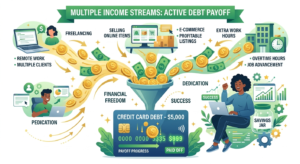
While cutting expenses helps, there’s a limit to how much you can trim. Increasing your income, on the other hand, has unlimited potential—and every extra dollar can go straight to your debt.
Start a Side Hustle
A side hustle can dramatically accelerate your debt payoff by providing extra cash devoted entirely to your balances. Whether it’s freelancing, driving for a rideshare service, selling items online, or offering a skill-based service, the extra income adds up fast. Check out our list of side hustle ideas that pay $500+ per month for inspiration.
Sell Items You No Longer Need
Look around your home for items you can sell—electronics, furniture, clothing, or collectibles. This provides an immediate cash injection you can throw at your debt while decluttering your space at the same time.
Ask for a Raise or Work Overtime
Don’t overlook your current job as a source of extra income. If you’re due for a raise, make your case to your employer. If overtime is available, picking up extra hours temporarily can generate significant funds for your debt payoff.
Strategy 6: Cut Expenses and Redirect the Savings
Every dollar you free up in your budget is a dollar you can throw at your debt. Strategic expense-cutting can find surprising amounts of money hiding in your monthly spending.
Cancel Unused Subscriptions
Streaming services, gym memberships, apps, and subscription boxes have a way of accumulating unnoticed. Audit your recurring charges and cancel anything you’re not actively using. These small monthly savings add up to meaningful debt payments over a year.
Reduce Your Biggest Expenses
The fastest way to free up significant cash is to tackle your largest expenses—housing, transportation, and food. Consider temporary sacrifices like cooking at home instead of dining out, finding a cheaper phone plan, or even taking on a roommate. These bigger cuts can free up hundreds of dollars monthly.
Adopt a Temporary “Spending Freeze”
For a set period, commit to spending only on absolute necessities. Redirect all the money you’d normally spend on non-essentials toward your debt. Even a one-month spending freeze can generate a substantial extra payment and jumpstart your progress.
Strategy 7: Consider Debt Consolidation
If you’re juggling multiple high-interest cards, consolidating them into a single lower-interest loan can simplify your payments and save you money.
How Consolidation Helps
Debt consolidation combines multiple debts into one loan with a single monthly payment—ideally at a lower interest rate than your credit cards. This simplifies your finances and can reduce the total interest you pay, freeing up more money to eliminate your debt faster.
Is Consolidation Right for You?
Consolidation works best if you have a decent credit score and can qualify for a loan with a lower rate than your current cards. It’s not a magic fix, though—it requires discipline not to run up new debt on your now-empty cards. To understand whether this option fits your situation, read our detailed comparison of debt consolidation vs debt settlement, and learn how to secure favorable terms in our guide on getting the best personal loan rates.
Common Mistakes That Keep You in Debt
Even with the best strategies, certain mistakes can sabotage your progress. Avoid these common pitfalls.
Continuing to Use Your Credit Cards
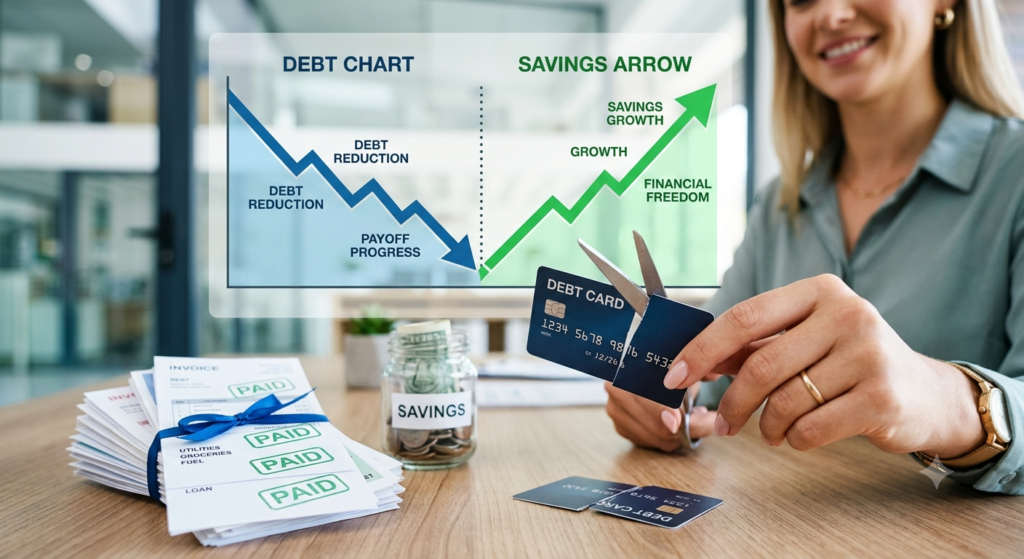
You can’t pay off debt while adding to it. As you work through your payoff plan, stop using your credit cards for new purchases. Consider removing them from your wallet or freezing them (literally or digitally) to break the spending habit.
Not Having a Written Plan
A vague intention to “pay off debt” rarely works. Write down your specific plan—which method you’re using, how much you’ll pay each month, and your target payoff date. A written plan keeps you accountable and focused.
Neglecting an Emergency Fund
As mentioned earlier, without a small emergency buffer, any unexpected expense will send you right back to your credit cards. Maintain that safety net throughout your payoff journey.
Giving Up After a Setback
Debt payoff is a marathon, not a sprint. You’ll have setbacks—an unexpected bill, a month where you can’t pay as much as planned. Don’t let one bad month derail your entire journey. Just adjust and keep going.
https://finance4you.online/student-loan-forgiveness-guide/
How to Stay Motivated on Your Debt-Free Journey
Paying off debt takes time and discipline. These strategies will help you stay committed until you reach the finish line.
Track and Celebrate Your Progress
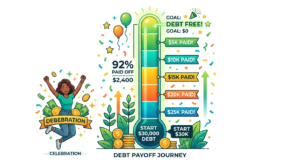
Create a visual tracker—a chart, thermometer, or app—that shows your shrinking debt. Watching your balance drop is incredibly motivating. Celebrate milestones along the way with small, budget-friendly rewards.
Remember Your “Why”
Keep your reason for becoming debt-free front and center. Whether it’s reducing stress, buying a home, or securing your family’s future, connecting to your deeper motivation helps you push through tough moments.
Find Support and Accountability
Share your goal with a trusted friend, family member, or online community. Having people who encourage you and hold you accountable makes a huge difference in staying committed to your plan.
Frequently Asked Questions
What is the fastest way to pay off credit card debt?
The fastest way is to combine multiple strategies: choose either the debt avalanche method (to minimize interest) or the debt snowball (to stay motivated), free up extra money by cutting expenses and boosting your income, and consider a balance transfer or lower interest rate to reduce what you pay in interest. The more aggressively you can pay above the minimum, the faster you’ll be debt-free.
Should I pay off credit card debt or save money first?
Generally, you should build a small emergency fund of about $1,000 first, then aggressively attack your high-interest credit card debt. Credit card interest rates are typically far higher than what you’d earn in savings, so paying off that debt gives you the best “return.” Once your cards are paid off, focus on building a full emergency fund.
Is the debt snowball or debt avalanche method better?
It depends on you. The debt avalanche saves you more money by targeting high-interest debts first, while the debt snowball keeps you more motivated by knocking out small balances quickly. The best method is the one you’ll actually stick with, so choose based on whether numbers or motivation drives you more.
Will paying off credit card debt improve my credit score?
Yes, paying off credit card debt typically improves your credit score, especially by lowering your credit utilization ratio (the amount of available credit you’re using). This is one of the most significant factors in your score. Learn more in our guide on how to improve your credit score in 90 days.
How can I pay off credit card debt on a low income?
Paying off debt on a low income is challenging but absolutely possible. Focus on both reducing expenses to the bare minimum and boosting your income through side hustles or selling items you don’t need. Use the debt snowball method for motivation, negotiate lower interest rates, and consider a balance transfer to reduce interest. Every extra dollar counts, so stay consistent and patient.
Should I close my credit cards after paying them off?
Usually, no. Closing a credit card can actually hurt your credit score by reducing your available credit and shortening your credit history. Instead, keep the cards open but use them sparingly—or not at all—to maintain your credit health. Just make sure you don’t fall back into old spending habits.
Conclusion: Your Path to Credit Card Freedom Starts Now
Credit card debt may feel overwhelming, but as you’ve seen, it’s a completely solvable problem. With the right strategy and consistent effort, you can break free from the minimum payment trap and eliminate your debt faster than you ever thought possible.
The key is to take action. Start by listing exactly what you owe and building a budget that frees up extra money for debt payments. Then choose your primary strategy—the debt snowball for motivation or the debt avalanche for maximum savings—and supercharge it with tactics like balance transfers, interest rate negotiations, expense cuts, and income boosts. Every dollar you redirect toward your debt brings you closer to freedom.
Remember, becoming debt-free isn’t just about the money—it’s about reclaiming your peace of mind, reducing your stress, and opening up a future full of possibilities. The money you’re currently sending to credit card companies could soon be building your savings, funding your goals, and creating the life you actually want.
Ready to break free from credit card debt for good? Start by building a solid budget with the 50/30/20 rule or zero-based budgeting, boost your payoff power with side hustle ideas, and if consolidation makes sense for you, explore your options in our guide on debt consolidation vs debt settlement. Your debt-free future is closer than you think—take the first step today.
Disclaimer: This article is for informational purposes only and does not constitute financial advice. Everyone’s financial situation is unique. Consider consulting a qualified financial advisor or credit counselor before making major financial decisions.